


15 game ideas for the gym: From warm-up games to team games for elementary school
Introduction
Dear teachers, imagine this: The PE lesson begins, the children rush into the hall full of energy, their voices echoing through the room – and everyone is eagerly awaiting the first games in the gym. At this moment, you decide whether the lesson descends into chaos or whether you channel the children's energy into exciting and meaningful activities.
This is precisely where varied sports games in elementary school come in. They are more than just exercise: they structure lessons, motivate children, and incidentally promote motor skills, concentration, and team spirit. The right warm-up games get you off to a lively start, dynamic movement games keep the energy high, and cooperative team games at the end foster a sense of togetherness.
To save you time searching for ideas, we've compiled the ultimate collection: 15 tried-and-tested games for the gym that cover every phase of a physical education lesson – from quick warm-ups and action-packed running games to motivating team games. These concepts will make your elementary school PE lessons more varied, more effective, and above all: a real highlight for the children.
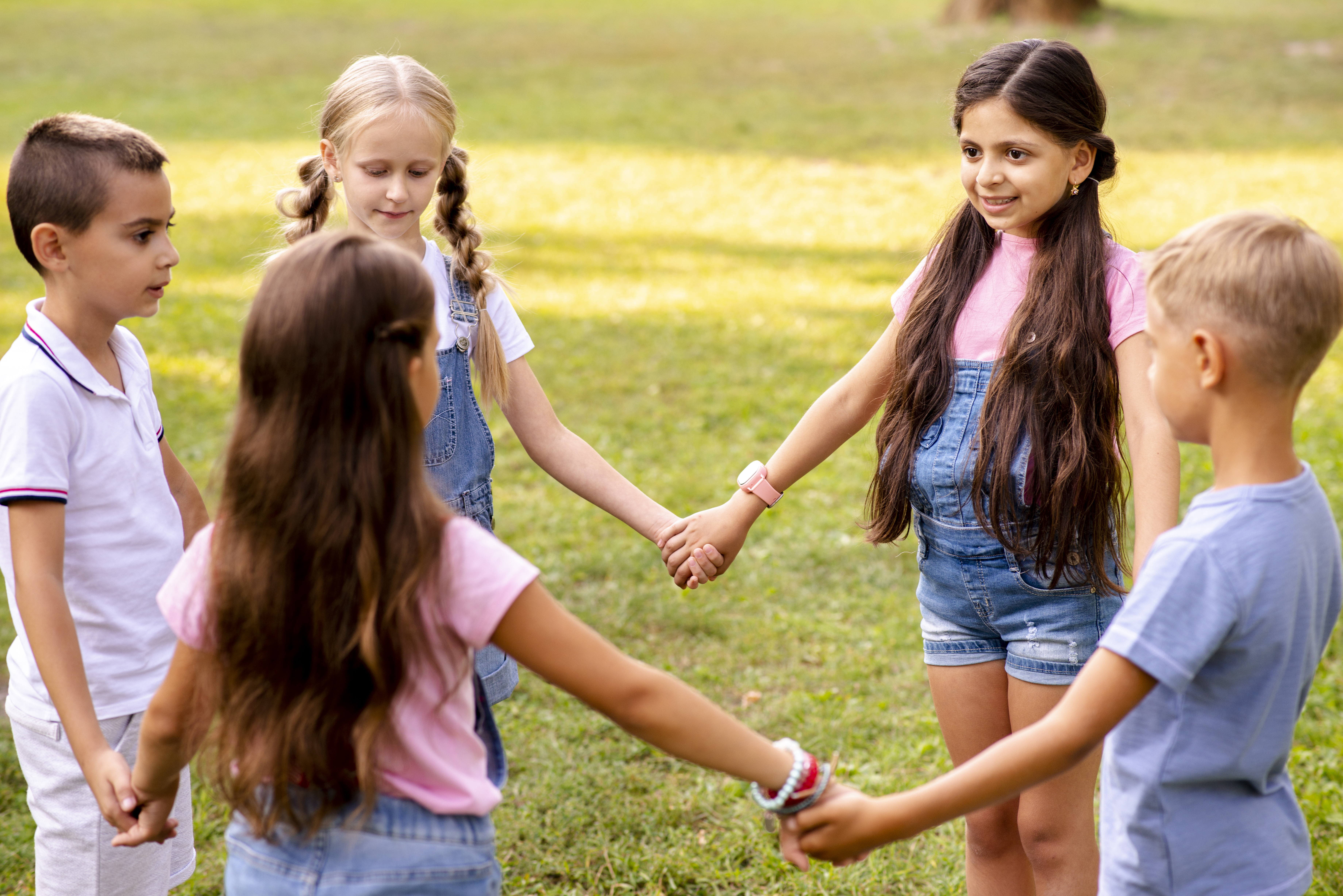
Why are varied sports games so important in primary school?
Anyone who works with children on a daily basis knows that elementary school students have a seemingly inexhaustible urge to move. Instead of suppressing this energy, it's worthwhile to channel it in a positive direction through targeted sports games. This makes every lesson not only more lively but also more effective.
Varied movement games in elementary school go far beyond simply "burning off energy." They combine fun with valuable learning: children unconsciously improve their motor skills, train their concentration, and strengthen their social skills. Furthermore, the joy of movement is instilled early on – a crucial factor in promoting an active lifestyle.
Key benefits of games in physical education in primary school:
- Improved motor skills and coordination: Through movement games in elementary school, children learn to better control their bodies. Whether jumping over obstacles, catching or throwing balls – every movement develops balance, a sense of rhythm, and fine motor skills. These abilities are essential not only in sports but also in everyday life.
- Promoting reaction time and attention: Many gym games in elementary school require lightning-fast decisions. When a child has to dodge in time during a game of tag or quickly change direction during a running game, they train their reflexes and concentration skills. In this way, children playfully improve their mental alertness.
- Strengthening team spirit and social interaction: Team games in primary school, in particular, convey important values. Children learn that success is only possible through cooperation, agreements, and mutual support. They learn to be considerate, to help others, and to play fairly – skills that extend far beyond sports.
- Developing a positive attitude towards exercise: When children experience that sports games are fun, they associate exercise with joy. This positive experience often lasts a lifetime and promotes an active, healthy lifestyle in the long term.
In short: Games in the gym are far more than just a pastime. They are an educationally valuable tool that challenges and develops both body and mind. The foundations children develop here will stay with them throughout their lives – whether in sports, at school, or in their social interactions.
Which warm-up games are suitable for the start of a sports lesson?
The start of a physical education lesson is crucial. With the right warm-up games, you can activate the children's bodies and minds. Here are five simple but effective ideas:
1. Catch the Fox
- Rules: One child is chosen to be the "fox," the others are the "chickens." The fox chases the chickens, and each chicken caught also becomes a fox. This creates an increasingly exciting game of tag.
- Equipment: Marking cones from Netsportique help to define clear playing fields and structure the movements.
- Skills: Children improve their reaction time, train their speed, and develop a better sense of space. At the same time, this warm-up game for elementary school promotes the enjoyment of movement and increases attention span.
2. Color Run
- Rules: Different colors are distributed in the hall or on the playing field – for example, on mats or cones. The teacher calls out a color, and the children run to it as quickly as possible. To increase the difficulty, two colors can be combined, or additional movement tasks (hopping, running backward, crawling) can be added.
- Materials: Colorful mats, cones, or clearly visible colored markers.
- Skills: The color run trains attention, reaction speed, and decisiveness. Children learn to quickly implement instructions, which improves their concentration skills during physical education class.
3. Animal Movements
- Rules: The children imitate different animals: hopping like frogs, sneaking like cats, galloping like horses, or jumping like kangaroos. The teacher suggests the animals or lets the children come up with their own ideas.
- Materials: No special materials are required, making this game particularly flexible in its use.
- Skills: This warm-up game promotes creativity, a variety of movements, and motor skills. Children train coordination and body control, and playfully develop a broad repertoire of movements.
4. Line Catching
- Rules: All children must stay on the hall lines. One child is "it," and the others try to tag the others. Whoever is tagged becomes "it." For variation, multiple children can be "it," or certain lines can be closed off.
- Materials: Hall lines or lines drawn on the playing field with cones.
- Skills: Line tag strengthens spatial awareness, agility, and physical fitness. Children learn to act tactically, use evasive movements, and adapt their movements to limited spaces.
5. Ball Hunt
- Rules: One child rolls or throws a softball across the ground while the others try to dodge it. Whoever gets hit is the next thrower. The game can be varied by using multiple balls at once or allowing different throwing techniques.
- Material: Soft balls that can be used safely and without causing injury.
- Skills: Ball chasing improves reaction time, endurance, and evasive maneuvers. At the same time, it trains eye-body coordination, which is particularly helpful for other ball games in physical education classes.
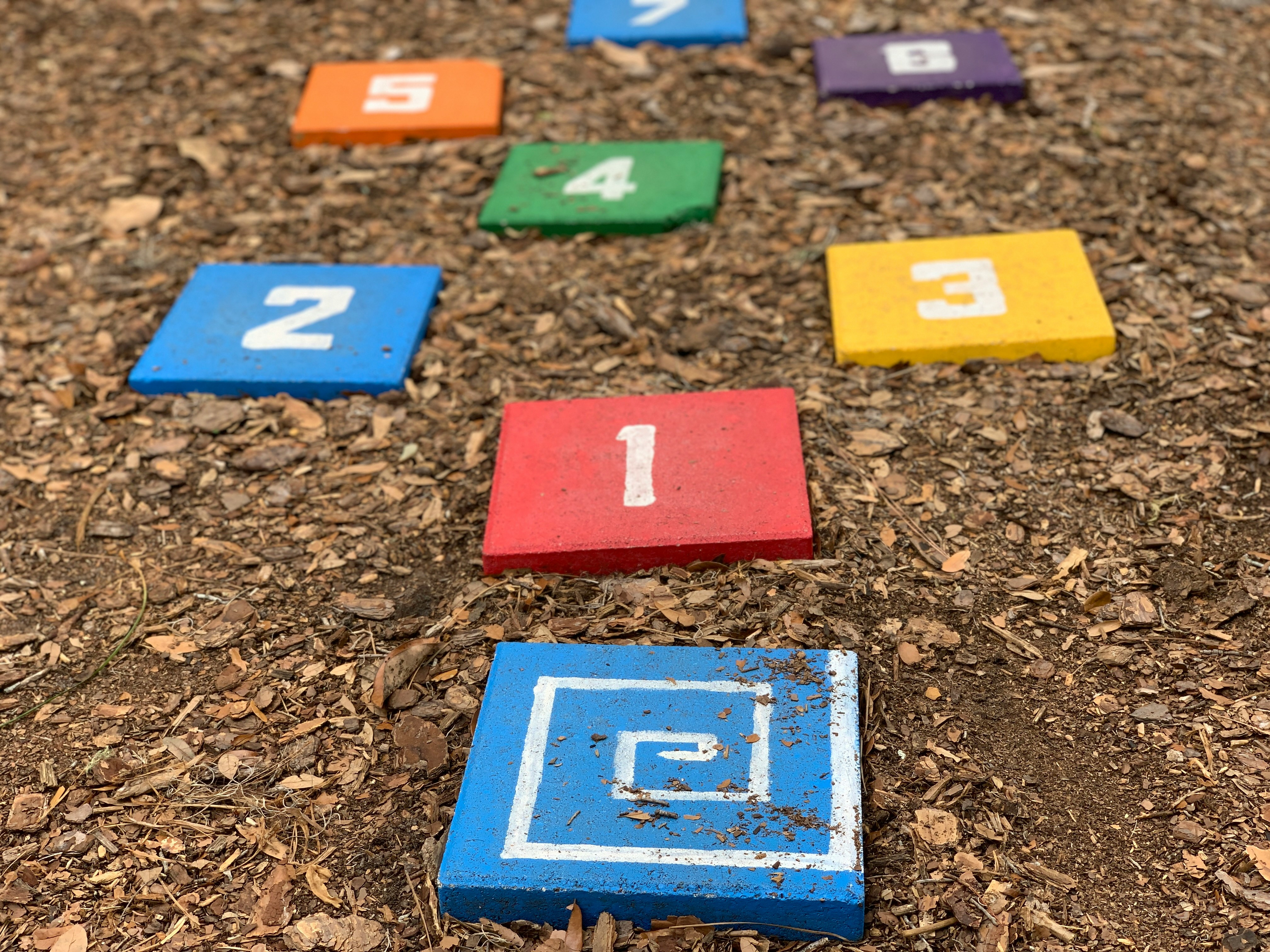
Which running and movement games captivate children in the gym?
After warming up, it's time for action-packed games. These running games and movement games for elementary school are energetic and will keep all children moving:
6. Relay Race with Obstacles
- Rules: The children form teams and must take turns completing an obstacle course. Jumping through hoops, balancing on a line, or slalom running around cones make the game varied.
- Equipment: Cones, tires, and small hurdles – preferably robust and safe from Netsportique.
- Skills: This game trains speed, endurance, and dexterity. It also strengthens teamwork skills, as every child contributes to the team's success.
7. Fire, Water, Lightning
- Rules: The teacher calls out words like "fire," "water," or "lightning." At "fire," the children quickly lie down on the floor; at "water," they climb onto a piece of equipment or a mat; and at "lightning," they immediately duck. To increase the difficulty, further commands such as "storm" (everyone runs in a circle) can be added.
- Materials: Gymnastics equipment, benches, mats or boxes that offer sufficient climbing opportunities.
- Skills: This classic reaction game for elementary school trains reaction time, concentration, and movement versatility. Children learn to react quickly to auditory signals and adapt their movements in a flash.
8. Ball Transport Squadron
- Rules: The children form teams and must transport a ball in an unusual way – for example, between their knees, under their chin, or together with a partner without using their hands. Whoever drops the ball starts again.
- Material: Gymnastics balls or soft balls that are easy to wedge and move safely.
- Skills: This relay race for elementary school promotes balance, teamwork, and coordination. Children practice body control and cooperation as they have to find creative solutions together to successfully get the ball to the finish line.
9. Obstacle Course in a Circle
- Rules: A circular obstacle course is set up in the hall using mats, tires, and ropes. The children complete it one after the other or simultaneously, depending on the group size. Jumps, balance beams, and crawling challenges provide variety.
- Materials: Tires, ropes, mats, possibly small boxes or benches for additional obstacles.
- Skills: This movement game for physical education classes trains flexibility, endurance, and dexterity. Children improve their motor skills and learn to overcome obstacles in a playful way.
10. Hat Theft (Cone Thief)
- Rules: Two teams face each other and try to capture the opponent's cones and bring them back to their own territory. If a player is tagged in the opponent's area, they must return to their own territory. Variations such as time limits or additional tasks make the game even more exciting.
- Materials: Marker cones or small pylons, placed in a clearly visible location.
- Skills: The game "Cone Thief" for elementary school combines speed with strategy. Children train tactical thinking, teamwork, and reaction time. At the same time, the game increases motivation and fair play.
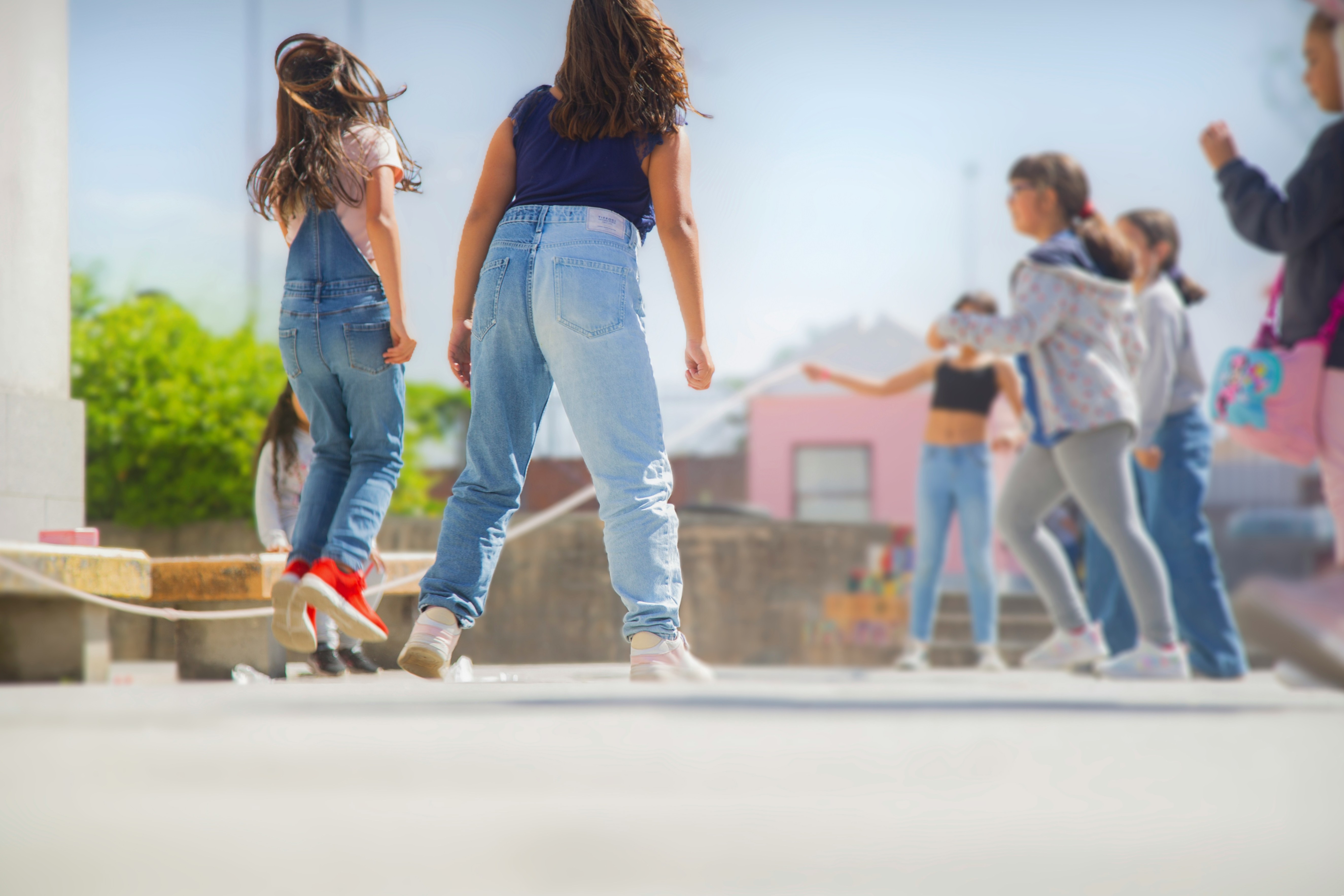
Which team games promote team cohesion in primary school?
Games that promote team spirit are a good way to end the lesson. These team games for elementary school are ideal for a successful conclusion:
11. Mat Ball
- Rules: Two teams try to throw the ball onto the opponent's mat. Points are scored when the ball successfully lands on the mat.
- Material: Soft balls and sturdy gymnastic mats for safety.
- Skills: Promotes accuracy, teamwork, and strategic thinking. As one of the most popular gym games in elementary school, mat ball fosters enthusiasm and strong team cohesion.
12. Human Chain
- Rules: The children form a long human chain by holding hands. Together they must solve tasks – such as balancing a ball across the hall, crossing a certain distance, or going around obstacles without breaking the chain.
- Materials: Balls, cones or small obstacles that can be used for additional tasks.
- Skills: This cooperative game for elementary school strengthens teamwork, communication, and coordination. The children learn to be considerate of one another and to find solutions together.
13. Zombie Ball
- Rules: Modified dodgeball game: Players who are hit are not eliminated, but become "zombies." They can still throw balls, but their movement is restricted (e.g., slowly or in a line). This way, every child remains actively involved in the game.
- Material: Soft balls that are easy to throw and catch.
- Skills: This movement game for elementary school trains strategy, endurance, and teamwork. Children develop tactical awareness and learn to adapt flexibly to changing game situations.
14. Treasure Hunt
- Rules: Small objects (e.g., balls, cones, or markers) are hidden in the hall or on the playing field. The teams must find these "treasures" and bring them back to their own zone. The team that collects the most treasures wins. Variations are possible, such as adding a time limit or extra tasks.
- Materials: Tires, small balls, cones or other easily transportable items.
- Skills: The treasure hunt develops attention, orientation, and teamwork. This game motivates children to develop strategies together and play fairly during elementary school physical education lessons.
15. Chain Catching
- Rules: One child starts as catcher. If another child is caught, they form a chain by holding hands. With each additional child caught, the chain gets longer until all children are part of the chain.
- Materials: No special materials are required, meaning the game can be played anytime, anywhere.
- Skills: This classic tag game for elementary school promotes a sense of community, fairness, and consideration. Children learn to work together as a group and experience how individuals can become a strong unit.
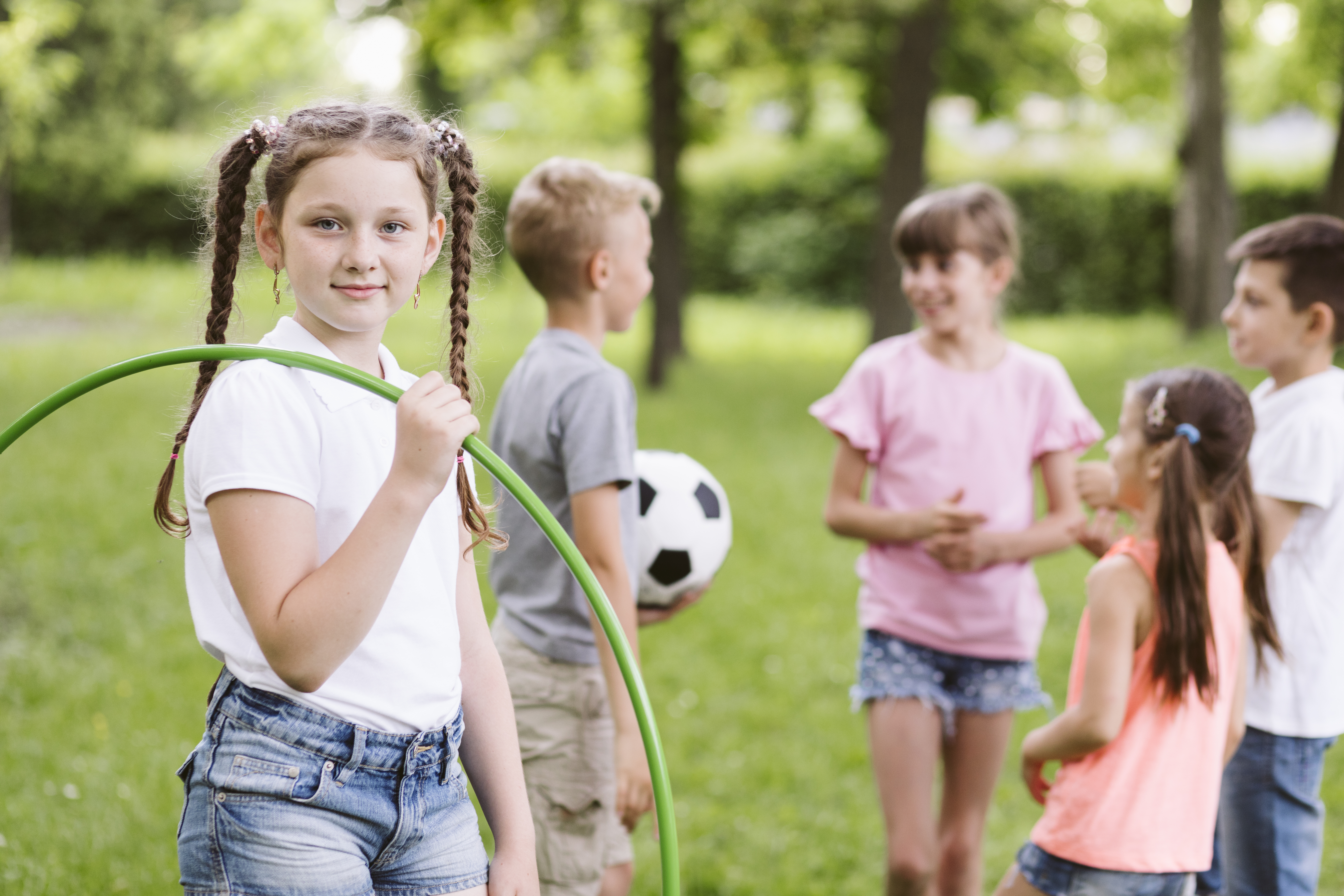
What equipment will make your sports games a success?
A variety of sports games for children are the heart of a successful physical education lesson in primary school. But for games to be truly enjoyable in primary school PE, children need not only good ideas but also the right equipment. Even small details – a soft ball, sturdy gymnastic mats, or clearly visible cones – can make the difference between a chaotic and a structured training session.
Furthermore, the right equipment increases safety, boosts children's motivation, and creates a professional environment where everyone feels comfortable. Teachers also benefit: clearly defined materials make it easier to implement rules and design exercises more efficiently.
Essential equipment for games in the gymnasium:
- Soft balls: Perfect for ball games as they minimize the risk of injury. Ideal for dodgeball, ball chase, or mat ball.
- Marker cones: Essential for elementary school running games like cone stealing or relay races. They create clear playing fields and help children orient themselves better.
- Jump ropes and hoops: Versatile for movement games in primary school, from obstacle courses to coordination games.
- Gymnastics mats: Safety comes first. Whether playing tag, doing acrobatic exercises or jumping – gymnastics mats reliably protect against falls.
- Gymnastics balls: Promote balance and coordination. Particularly suitable for warm-up games in primary school or balance exercises.
Why high-quality equipment makes the difference
Of course, many elementary school sports games can be played without equipment. However, anyone who wants to implement a variety of games for the gym in the long term will benefit from robust and durable equipment. It not only simplifies organization but also opens up new possibilities: A well-equipped equipment room is like a treasure chest full of ideas.
With the right equipment you can:
- Flexibly vary and adapt games
- Engage larger groups simultaneously
- Increase the fun factor
- Promote sustainable learning
Your advantage with Netsportique
At Netsportique you'll find everything you need for exciting and safe sports games for children. Our range extends from simple softballs to complete sets for school sports. All products are robust, durable, and specifically designed to meet the needs of primary schools.
Whether for warm-up games in primary school, movement games in primary school or team games in primary school – with our equipment every sports lesson becomes an experience that delights children and relieves teachers.
👉 Order your sports equipment online now at Netsportique and equip your gym with durable, child-friendly materials. This will make every sports lesson a complete success – safe, varied, and with maximum fun!
Which badminton racket is right for you? – The ultimate guide to choosing a racket
How high is a volleyball net?
Related Posts

How to improve your shooting in basketball

Volleyball Rules

The history of basketball

How to install a basketball net in 5 steps

How high is a volleyball net?

Which badminton racket is right for you? – The ultimate guide to choosing a racket


