


Why is sport important?
In our modern society, people are moving less and less. Everyday life is increasingly dominated by sedentary activities: working at a desk, sitting for hours at school or university, and leisure time in front of a screen. This trend has serious consequences for health – both physical and mental.
According to the World Health Organization (WHO), one in three adults worldwide does not meet the recommended minimum levels of physical activity. The situation in Germany is not much better: The Robert Koch Institute (RKI) reports that more than 40% of adults do not adhere to the recommended exercise guidelines. This means that millions of people are endangering their health through lack of exercise.
But why is sport important? Quite simply: Regular exercise is a fundamental building block for a healthy life. It not only helps you stay physically fit, but also strengthens your mental well-being. In short: Sport is healthy, on many levels.
Here are some key reasons why sport is healthy:
- It strengthens the cardiovascular system and prevents chronic diseases.
- Exercise improves sleep quality and reduces stress
- Physical activity increases concentration and self-esteem.
- Physical activity supports the metabolism and the immune system.
Given these benefits, it's clear: Why is sport important? Because it's an indispensable key to a long, healthy, and fulfilling life.

Sport and health – A strong team
The relationship between sport and health is well-documented scientifically. Regular physical activity has a positive effect on almost all systems of the human body. It not only improves general well-being but also plays a key role in the prevention of numerous diseases.
Exercise strengthens:
- The cardiovascular system: improved blood circulation, more stable blood pressure
- Metabolism: increased insulin sensitivity, lower risk of type 2 diabetes
- The musculoskeletal system: stronger muscles, healthy bones and joints
- The immune system: increased defenses and reduced susceptibility to infection
In addition to these direct effects, regular exercise contributes to the prevention of chronic diseases such as high blood pressure, heart attack, stroke, and diabetes mellitus. Studies show that people with an active lifestyle have a significantly lower risk of these diseases.
According to the Federal Centre for Health Education (BZgA), adults are advised to get at least 150 minutes of moderate exercise per week. You can find more information directly on the BZgA website: www.bzga.de.
In summary: Sport and health go hand in hand – and are the basis for an active, high-performing life.
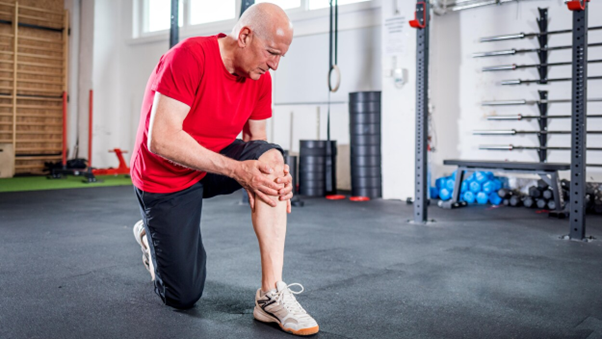
Why is sport healthy?
The close link between health and sport has been proven by numerous medical studies. Physical activity directly affects many vital bodily systems. The following is an overview of the key areas of impact:
Heart and Circulation:
Regular exercise strengthens the heart muscle, improves blood circulation, and permanently lowers blood pressure. Studies show that physically active people have a significantly lower risk of coronary heart disease. The EPIC study (European Prospective Investigation into Cancer and Nutrition) found that just 30 minutes of exercise a day can significantly reduce the risk of cardiovascular disease.
Metabolism & Weight:
Exercise promotes insulin sensitivity and helps regulate blood sugar levels. At the same time, physical activity contributes to weight control and prevents overweight and obesity – two main causes of type 2 diabetes.
Immune system:
Regular, moderate exercise strengthens the immune system. It improves the circulation of immune cells and reduces the risk of upper respiratory infections. Physically active people get sick less often and recover faster.
Musculoskeletal system:
Sporting activities strengthen muscles, tendons, and ligaments. At the same time, they increase bone density, which helps prevent osteoporosis in old age. Postural problems and back pain can also be reduced through targeted exercise.
Conclusion: Sport and health are inextricably linked – exercise is one of the most effective “medicines” for the whole body.

Exercise is healthy – also for the mind.
Besides the physical benefits, exercise is also of great importance for mental health. Regular exercise can reduce stress, improve sleep, and promote mental clarity.
Stress reduction:
Exercise acts as a natural stress reliever. Jogging, for example, releases endorphins that boost well-being and help reduce mental tension. Many people report feeling more relaxed and balanced after exercising.
Improved sleep:
Even moderate activities like regular walks can significantly improve sleep quality. Those who exercise during the day fall asleep faster and experience a deeper, more restful night's sleep.
Improved concentration and mental clarity:
Physical activity increases blood flow to the brain, thereby promoting focus and cognitive abilities. Students and professionals alike benefit from this effect.
Reduced risk of depression and anxiety:
Studies show that exercise lowers the risk of mental illnesses such as depression and anxiety disorders. Physical activity can alleviate symptoms and improve overall well-being.
A concrete example: Jogging helps many people prevent burnout or cope better with it. Another example: Those who go for regular walks report significantly improved sleep and less stress in everyday life.
Therefore, sport is healthy not only for the body, but also for the soul.

Is sport healthy for everyone?
The general rule is: exercise is healthy, but the activity must be adapted to individual needs. Everyone, regardless of age or health condition, can benefit from physical activity – provided it is safe and appropriate.
Older people, pregnant women, and people with chronic illnesses especially need special, gentle forms of exercise. For them, it is important to avoid strains that could impair their well-being and instead focus on gentle but effective activities.
The World Health Organization (WHO) recommends that adults get at least 150 to 300 minutes of moderate physical activity per week, plus two strength training sessions. These guidelines also apply to older people or those with health limitations, although the intensity should be adjusted accordingly.
Examples of safe modes of movement include:
- Walks and Nordic walking
- Swimming and water aerobics
- Yoga and stretching exercises
- Strength training under professional guidance
Further detailed recommendations and tips can be found on the website of the Federal Centre for Health Education (BZgA): www.bzga.de.
This way, sport is healthy and feasible for everyone – with the right adjustments and consideration for one's own body.

Benefits of exercise – Why exercise is always worthwhile
Regular exercise offers numerous benefits that extend far beyond physical fitness. Here are the most important reasons why exercise is valuable for everyone:
-
Reduced risk of illness:
Exercise helps prevent cardiovascular disease, diabetes, and many other illnesses. An active lifestyle strengthens the immune system and reduces inflammation.
-
Better sleep:
Physical activity promotes deep, restful sleep. Those who exercise regularly fall asleep faster and wake up refreshed.
-
More energy
through exercise increases endurance and makes you feel more vital and efficient in everyday life.
-
Good mood & spirits
: Exercise releases endorphins, which reduce stress and increase well-being. This lifts your mood and can help prevent depression.
-
Strengthening social contacts:
Joint sports activities offer the opportunity to cultivate friendships and meet new people.
-
Increased self-confidence:
Regular training improves body awareness and strengthens self-esteem.
-
Stress reduction in everyday life:
Sport reduces tension and helps to clear the mind – a natural balance to everyday life.
-
Save money through prevention.
Those who stay active often need fewer medications and doctor's visits. Prevention through exercise relieves the burden on the healthcare system and your own wallet.
These benefits of sport make it clear: It is always worthwhile to become active – for body, mind and social relationships.

Why do people do sports?
The question of why people do sports goes far beyond mere health maintenance. Many people associate sports not only with physical fitness, but also with important emotional and social aspects.
A major motivating factor is increased self-confidence. Through athletic achievements, many people feel more attractive and confident in their demeanor. Physical appearance also plays a role: exercise helps control body weight and shape the figure.
Sport also creates a sense of belonging. Whether in a club, gym, or group classes – shared activities foster social connections and strengthen community spirit. For many, sport becomes an integral part of daily life, providing structure and routine.
Here are some other reasons why people do sports:
- Improvement of appearance and fitness
- Increased self-confidence and mental strength
- Cultivating social contacts and a sense of community
- Stress reduction and mental balance
A survey shows that many athletes cite fun, the need for challenge and the desire for social interaction as the main reasons, in addition to health.
In summary, there are many answers to the question of why people do sports, which go far beyond physical benefits and also concern the psyche and social needs.

Integrating health and sport into everyday life
Integrating health and exercise into everyday life doesn't have to be complicated or time-consuming. Small, realistic steps can already achieve significant positive effects and lead to greater well-being in the long run.
Here are some practical tips for incorporating more exercise into everyday life:
-
Take a 10-minute walk after lunch to stimulate circulation and clear your head.
- Instead of taking the elevator, use the stairs – this strengthens the leg muscles and improves endurance.
-
Do a short workout at home twice a week, for example with simple exercises like squats, push-ups, or planks. If you are injured, remember to take the best possible care by using the right equipment: kinesiology tape, bandages, and protective gear.
- Set aside a few minutes in the morning for stretching exercises to gently wake up the body and improve flexibility.
-
Try team sports or use fitness apps to increase motivation and find enjoyment in exercise. You may need equipment such as cones, soccer balls, or basketballs.
It's important to focus on regularity rather than intensity. Short but consistent bursts of exercise are more effective in the long run than irregular, very strenuous workouts.
With these simple strategies, anyone can successfully integrate health and sport into everyday life – without much effort.

Conclusion — Why is sport important for body and soul?
Sport is undoubtedly one of the best investments in the long-term health of body and mind. Regular exercise not only strengthens the cardiovascular system, metabolism, and immune system, but also has a positive effect on mental well-being. Stress is reduced, mood improves, and self-confidence grows.
The numerous benefits of sport demonstrate that it is far more than just physical activity: it fosters social connections, helps prevent illness, and enhances quality of life. Sport is a holistic way to maintain both physical and mental health.
Even if getting started is sometimes difficult, it's important to understand: every step counts. It's not about achieving peak performance immediately, but about persevering.
Therefore, the most important message is: Start small, but stay regular. Small, regular movements in everyday life can have a big impact in the long run and help you lead a healthy, fulfilling life.
Sport is therefore the key to a strong body and a balanced mind – for a long and healthy life.
Related Posts

Best exercises for home: Effective home workout plans and training ideas

10 exercises to lose belly fat

Sport at home: how to train at home?


